A familiar song in the kitchen, a light by the window, or a conversation that continues after the meal can make Christmas feel close. Filipino Christmas is often described through recognisable traditions, but every household decides what it has the time, means and desire to celebrate.
This guide introduces a few familiar elements and suggests small ways to make space for connection. These suggestions are invitations, not a definition of how every Filipino family should spend the season.
A light that welcomes people
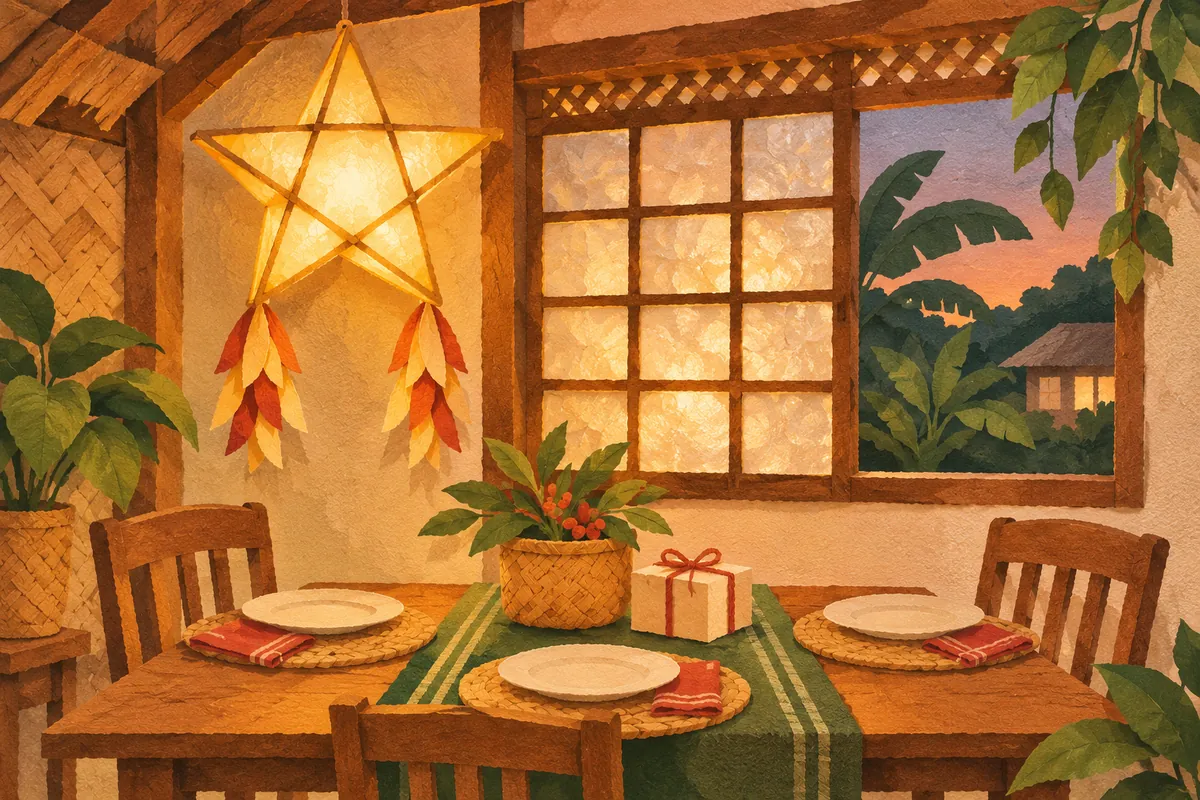
The National Irrigation Administration’s cultural feature The Filipino Christmas describes the parol as a star-shaped lantern associated with the season. A lantern can be part of the setting without requiring a whole new decorating scheme.
If you enjoy decorating, choose one place that matters to your household: the dining area, the entrance or a shared room. Reuse items you like and follow the safety instructions for any electrical decorations. A meaningful display can be small enough to prepare together in an afternoon.
Music and memories
The same NIA feature includes carolling among Christmas practices. At home, a short family playlist can make room for different generations and tastes without turning music into another task to perfect.
Ask people to choose a song and explain why it belongs on their list. It might recall a relative, a school performance or a particular journey home. The conversation can be as enjoyable as the playlist itself.
A meal that leaves time to be together
Noche Buena is described in the NIA feature as a Christmas Eve gathering around a meal. That cultural reference is not a shopping list that every household needs to reproduce.
For your own gathering, decide what is manageable before planning the menu. You might agree that each household will bring one dish, prepare one favourite recipe, or keep the meal simple enough that the hosts can sit down too.
Ask about food needs and practical arrangements in advance. A smaller menu with a clear plan can be more welcoming than a large spread that leaves one person doing all the work.
A little gift, given with attention
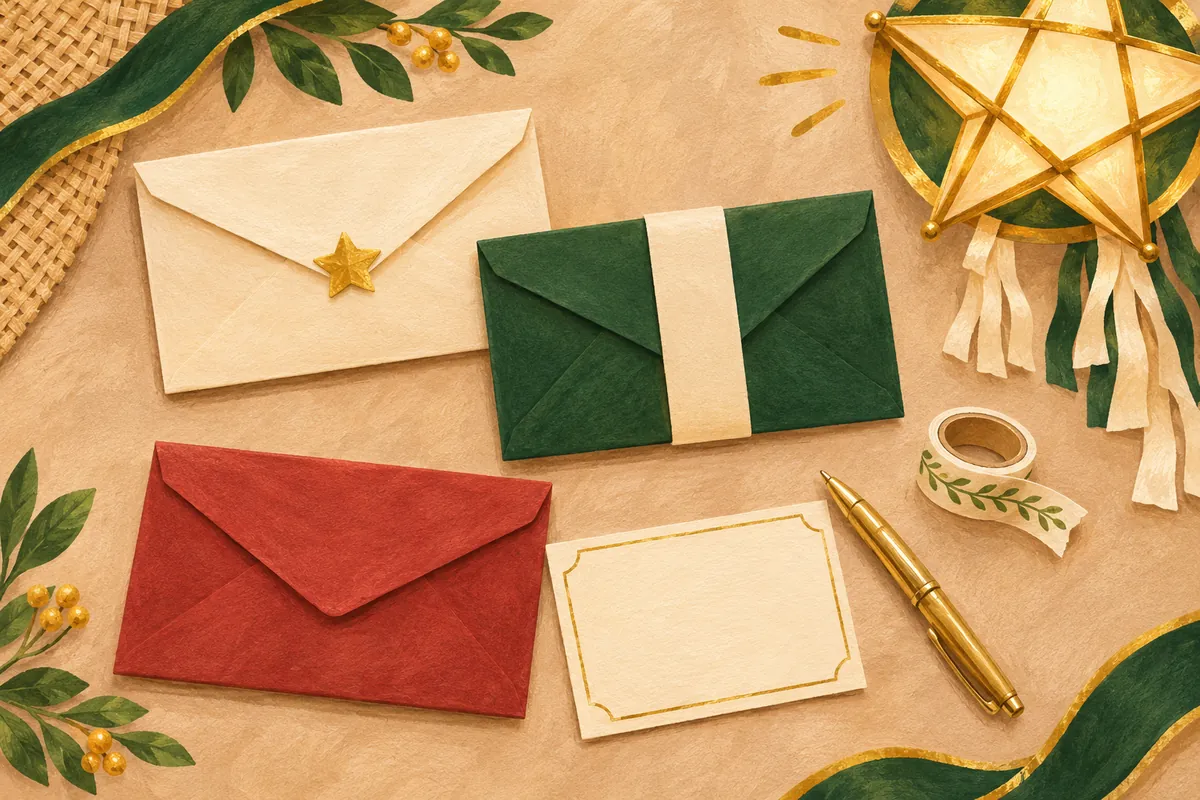
Choose gifts with your recipients in mind and allow yourself a comfortable limit. An envelope can hold a short message as well as a cash gift. A modest present can refer to an interest you have taken the time to notice.
If you exchange gifts at a gathering, agree on the arrangements beforehand. Keep personal amounts private and leave space for people whose plans or circumstances are different this year. A warm greeting should not depend on bringing a present.
Make room for people who are far away
Choose a realistic time for a call and check that it works for the people joining from another place. A short, relaxed conversation is often easier to arrange than keeping a camera on throughout a whole gathering.
Share a memory, describe what is happening at home, or record a brief greeting for someone who cannot join live. Ask before posting pictures or recordings that include other people, especially children.
Choose one tradition to keep this year
You do not need to organise everything at once. Pick one activity your household wants to keep: preparing a favourite dish, writing cards, listening to music or making a simple decoration together. Decide who will help and what you need, then let the rest of the celebration be flexible.
Use the Pamasko Planner if gift preparation would help, or personalise a greeting with Christmas Messages. Our pamasko and aguinaldo introduction explores the giving tradition in more detail.
Source and editorial note
National Irrigation Administration, JRMP-II: The Filipino Christmas supplies the cultural references to the parol, carolling and Noche Buena. The household activities and hosting suggestions above are Pamasko editorial ideas. Traditions and participation vary between families and communities.